
Squeagle: Another Golden Eagle Shot in the Borders
Why the Shooting Industry Doesn't Deserve a Say in the Future of Golden Eagles

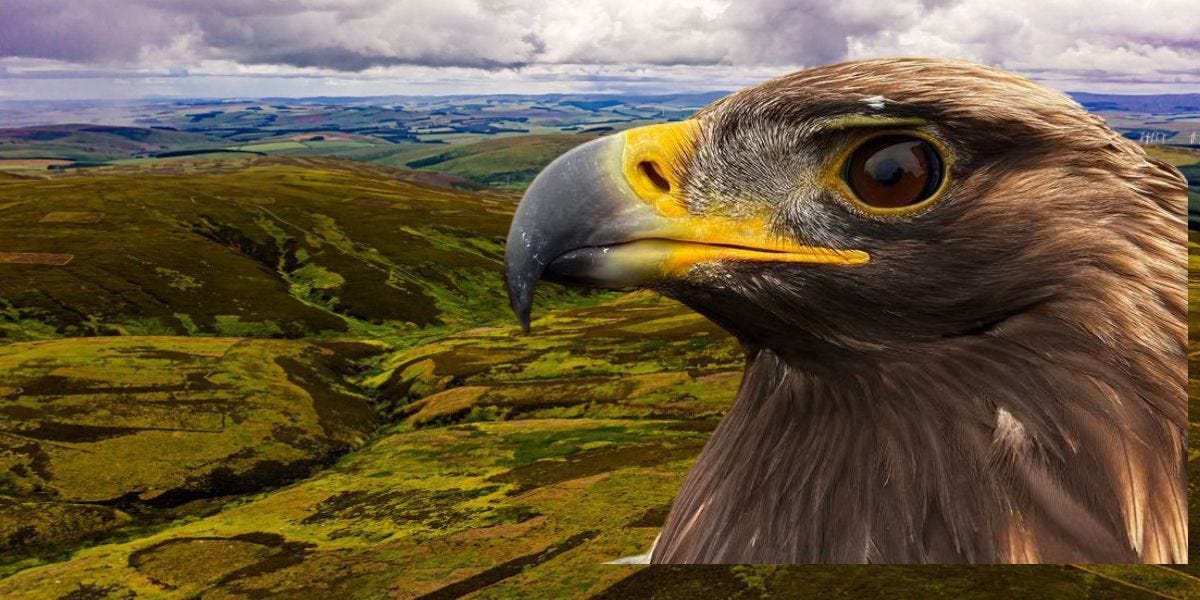
In early June 2026, a four-year-old female Golden Eagle named Squeagle was found by gamekeepers in the Lammermuir Hills in the Scottish Borders, an area packed with grouse shoots and a notorious raptor persecution hotspot.
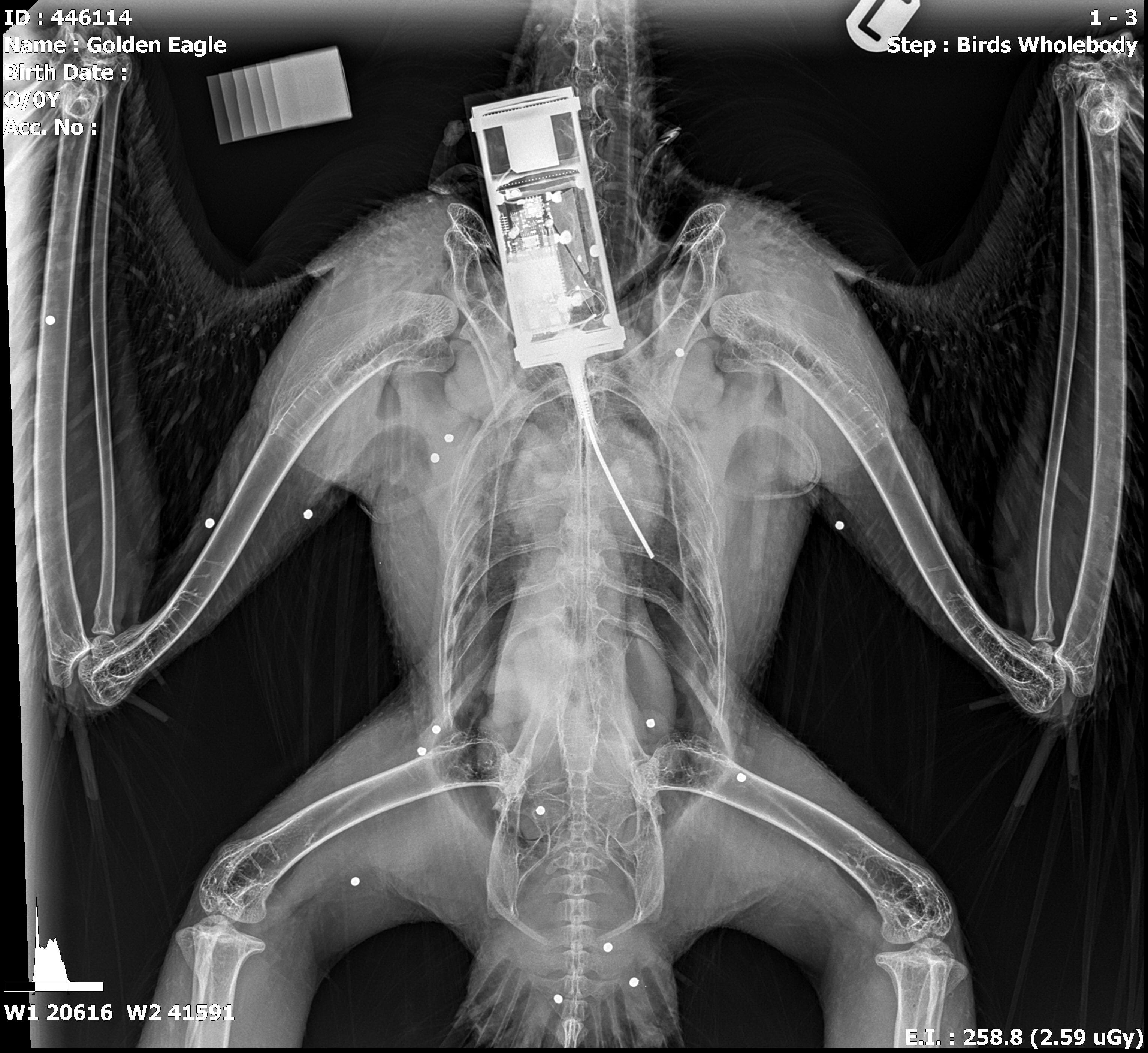
She was collected and taken to the Scottish SPCA’s National Wildlife Rescue Centre at Fishcross. When vets examined her, they found she had at least 17 shotgun pellets lodged in her body. She survived, and after treatment she was returned to the wild on 6 June.
Squeagle had been moved from the Outer Hebrides to the Scottish Borders in February 2026 as part of a translocation project run by Restoring Upland Nature to establish a population of eagles in southern Scotland. After her release in February 2026, she had ventured south into Northumberland, the Pennines and the Yorkshire Dales. That is exactly the kind of natural range expansion that conservationists had been hoping for. But all three areas are recognised as amongst the worst in the UK for crimes against birds of prey…
The episode is a sharp reminder of the threat that hangs over every Golden Eagle that strays into the wider landscape of the British uplands. It hardly needs pointing out, but Squeagle had lived for four years in the Uists - within three months of being translocated to south Scotland and its grouse moors she had been shot.
Look at the pellet scatter in the image below. This was no accident: the intention was to kill.
Is the timing deliberate?
Golden Eagles have been missing from the skies over England for far too long. The last known English Golden Eagle, a lone male, died of natural causes in the Lake District. After his mate died in 2004, he lived completely alone for over a decade. He was last seen at the end of 2015 and disappeared before the spring breeding season.
A feasibility study looking at reintroducing Golden Eagles was published by Forestry England in April 2026. It identified eight potential recovery zones (PRZs), mostly in the north of England, and the number of Golden Eagle pairs the PRZs might hold. Juveniles could be released as early as 2027, but the study warned that:
“The revised number of 45 pairs also assumes that there will be no intentional interference which prevents a home range from being established. This risk factor (persecution) could be especially influential, especially in PRZs dominated by management for driven grouse shoots.”
In April, Environment Secretary Emma Reynolds announced £1 million of government funding to explore the formal reintroduction of Golden Eagles to England.
Squeagle’s shooting casts a long and ugly shadow over those plans - but this is not even an isolated incident. Earlier this year another translocated eagle, Hamlet, was also found shot in the Borders, again with shotgun pellet injuries.
Was yet another shooting meant to be a warning, a crude way of an entitled and criminally-minded industry telling conservationists and government that if the project goes ahead it won’t succeed? That might sound like hyperbole, but does any fair observer really doubt that the shooting industry isn’t capable of thinking like that…

The evidence of decades is damning.
Someone knows who carried out these crimes, but no one has yet been charged in connection with either. History suggests that no one ever will.
While there is no direct evidence linking the shootings to anyone connected with the shooting industry, as we have said many times before - and will no doubt be saying again soon - anyone with any knowledge of raptor persecution in Britain will understand why suspicion immediately and instinctively falls in that direction.
Peer-reviewed research has repeatedly established unequivocally that illegal raptor persecution occurs disproportionately on land managed for shooting.
In May this year, the RSPB released ‘Patterns of Persecution’ which stated that:
“Every bird of prey in the UK is protected by law and killing them is a national wildlife crime priority. Yet, the killing of these birds is relentless.
Of the 24 people convicted of bird of prey persecution offences in the last 10 years, two thirds were connected with the gamebird industry. More than half were working as gamekeepers when the incident took place.”
This year alone we have written about numerous crimes against birds of prey involving gamekeepers, including Thomas Munday (who clubbed a Buzzard to death on a shooting estate in North Yorkshire), and Racster Dingwall (who was working as Head gamekeeper on the Coniston & Grassington Estate in the Yorkshire Dales National Park when covert footage obtained by the RSPB recorded him discussing shooting a Hen Harrier with two other gamekeepers).
Scotland’s own government records show 117 raptor persecution offences in the six years to 2025, with shooting accounting for the largest single category of crime type.
Experts widely believe these official figures represent only the tip of a much larger iceberg: one study found that the number of raptors killed illegally on a single Perthshire estate over a number of years exceeded the total number of officially recorded incidents across the whole of Scotland.

NO EXCUSE
Golden Eagles are large apex predators that will, on occasion, take a grouse. But that is neither a reason nor an excuse to kill them. Despite the routine parroting of ‘We don’t tolerate criminals’ by landowner organisations, the logic of the shooting estate - maximise the grouse, eliminate anything that competes - has not changed since the Victorian era when it drove the Golden Eagle to extinction in England in the first place.
It is therefore extraordinary that consultations on the English reintroduction programme include the shooting industry as a stakeholder with a meaningful veto. Groups like the Moorland Association are being engaged to discuss so-called ‘game management concerns’, but the industry they and other landowners belong to has a centuries-long record of hostility to eagles. Its economic interests are structurally opposed to the recovery of large raptors. The shooting estates should be told that their outdated preferences on this matter are irrelevant.
The voices that matter in this debate are those of conservationists who understand that predators are natural elements of functioning ecosystems; the local communities who will live with and benefit from birds of prey; and the public, the overwhelming majority of whom support reintroduction of Golden Eagles and will travel as tourists to finance it.
Golden Eagles have every right to be here. They belong here. The people who commit crimes against birds of prey - of any species - should have absolutely no say in the future of these magnificent birds whatsoever.
We are working to END BIRD SHOOTING. The suffering and the crime has to stop. Please share this article. Share our socials. Follow us for updates.
Join the movement. Become a Game Changer.
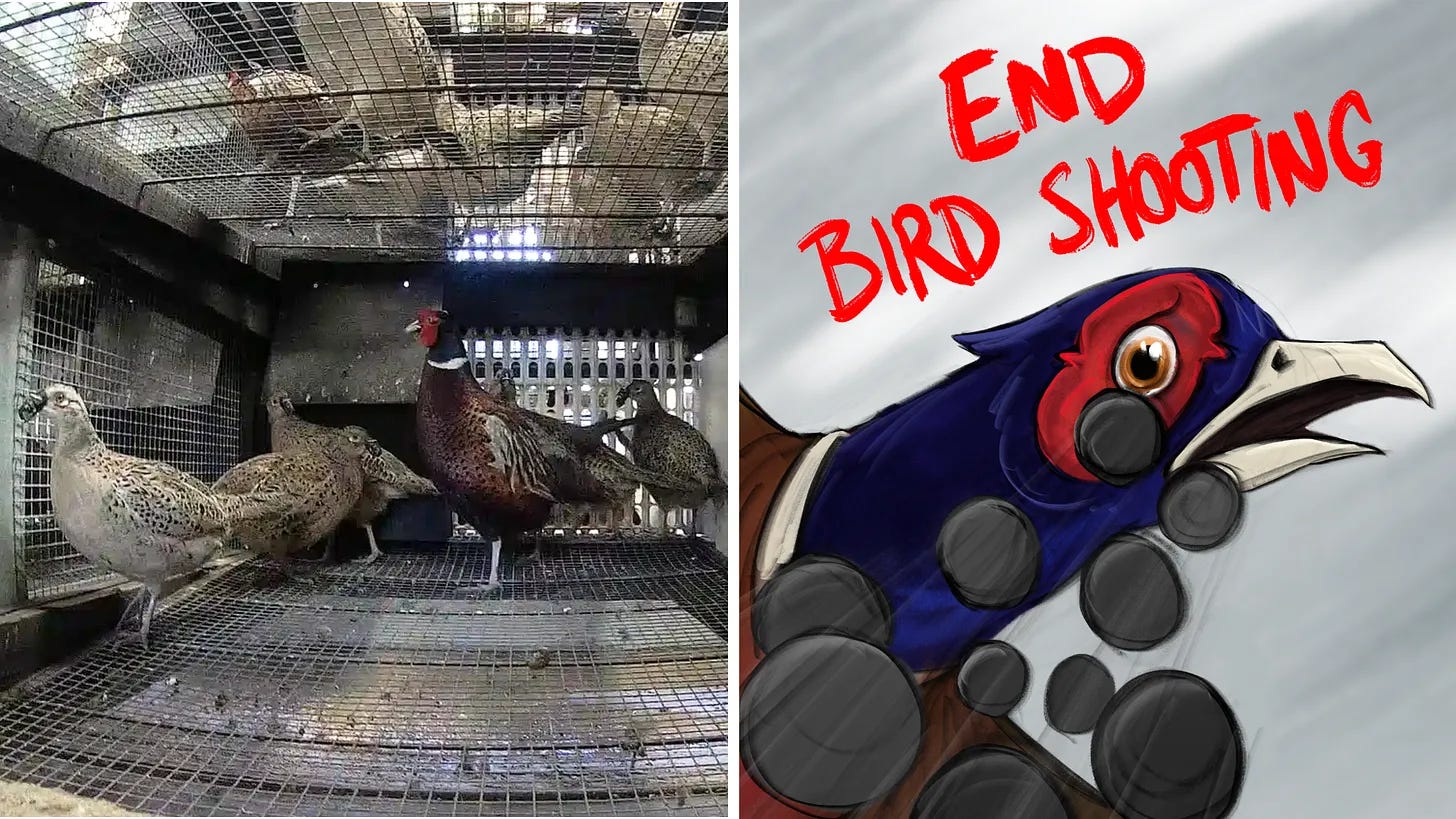
We have been publishing a series of articles on the largest undercover investigation into the farms breeding birds for the gun ever conducted in the UK. Months of undercover work. Hundreds of hours of footage. Farms across the UK exposed. But we are only just getting started.
But investigations alone do not end industries. Movements do.
We are asking you to become a Game Changer. To stand with us as we take this fight forward, week by week, piece by piece, until the public, the media and the politicians can no longer look away. The first 500 people to sign up will receive a limited edition pin badge.
This is the beginning of a genuine movement to END BIRD SHOOTING. Be part of it.
absolutely awful, but it is absurd that the shooting industry is being consulted, they are by far the biggest perpetrators of the persecution
There should be no industry based on recteational bird shooting in a civilized country